
Mobile Strike
Epic WarStrategy
3.361.84K Reviews
- Version
- 12.2.2.313
- Installs
- 50.00M
- Age Rating
- Everyone 10+
Screenshots



Our Review of Mobile Strike
 Analysis by Appyee
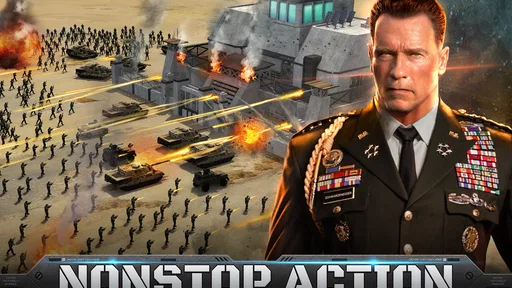
I approached Mobile Strike as a game that might sit on a shared phone or tablet, not just as something played alone for a few minutes. That matters because this is a large-scale strategy title from Epic War, built around military action, an ongoing online world, and the presence of Arnold Schwarzenegger as its central action figure. Its store summary calls it the world's largest MMO, but my experience is better described more carefully: it is a persistent strategy game that asks for regular attention, planning, and interaction with other players.
The first thing I noticed is that it is not a simple pick-up-and-play title in the same way as a quick puzzle game. You can open it for a short check-in, but the larger experience comes from returning to your base, reviewing progress, making decisions, and keeping track of what is happening around you. That makes it interesting for a player who enjoys long-term development, but less suitable for a household looking for a game that everyone can casually share without clear boundaries.
How Mobile Strike Works on a Shared Device
On a household phone, the practical question is not only whether the game is entertaining. It is also whether the person using the device understands that the game is connected to an ongoing account and may involve purchases. The title is free to download, which makes trying it easy, but it includes in-app purchases ranging from $0.99 to $99.99 per item. I would treat that as the most important setup issue before letting a child or another family member play on a shared device.
I would begin by deciding who owns the game account and who is allowed to open it. A strategy game with a developing base and online activity can become confusing if several people make decisions on the same profile. One person may spend resources that another was saving, change the direction of development, or join activity that the next player does not understand. Even when everyone is acting in good faith, shared progress can quickly become shared frustration.
For that reason, I would not use one profile as a communal save file unless the household genuinely wants to play as one person. A better arrangement is to keep the main account with its regular player and let others watch, discuss choices, or use their own account where the device and game setup allow it. I am not presenting that as a special family feature; it is simply a sensible boundary for any persistent online strategy game.
The game is rated Everyone 10+, which gives a useful starting point for age discussions, but I would not treat that label as a complete household decision. The rating does not answer whether a particular child is ready for competitive online play, recurring notifications, military themes, or purchase prompts. I would consider the individual child’s ability to stop playing, handle setbacks, and ask before spending more important than the age label alone.
Why the game can become a household conversation
Mobile Strike is more demanding than a typical offline strategy game because the player’s attention is divided between immediate actions and longer-term plans. A younger player may see the action imagery and Arnold Schwarzenegger branding first, while an experienced strategy player will focus on development choices, timing, and the broader online environment. Adults sharing the device should explain that progress is not just about tapping the most obvious button.
I found that the game works best when the player has a clear reason for opening it. Checking progress, deciding what to improve next, and coordinating with others can feel satisfying when those actions form a plan. Without that plan, the interface can encourage a cycle of opening the game, reacting to whatever is highlighted, and leaving without understanding whether the decision helped.
A realistic household example would be a parent who keeps the game on a tablet and lets a teenager use it after homework. The teenager may want to check the base before dinner, while the parent wants to use the same tablet later. The sensible rule is simple: finish the current action, close the game, and do not make purchases or major changes without permission. That rule is more useful than assuming the game itself will prevent misunderstandings.
Setting boundaries before the first session
I would also agree on when the game may be played. Because this is an MMO-style strategy experience, it is easy for “just checking” to turn into repeated visits. That does not automatically make the game harmful, but it does mean that a shared-device arrangement benefits from a schedule. A short evening window can work well for a player who enjoys planning; unrestricted access is less appealing if the game starts competing with sleep, school, work, or family time.
Another useful boundary is deciding what counts as a major decision. Upgrading a building, changing a development path, or spending a limited resource may affect the next several sessions. I would let one person make those choices on their own account, but on a shared profile I would ask the household to agree first. This turns the game into a small exercise in coordination rather than a source of arguments over lost progress.
Purchase rules deserve especially clear language. Since the game is free but offers optional items at several price levels, I would require an adult’s approval for every transaction. I would not rely on a child understanding the difference between free progress and a paid shortcut just because the purchase screen is visible. The safest habit is to make “no purchase without asking” part of the household rule from the beginning.
Coordination is more important than speed
The strongest part of the experience for a group is the opportunity to discuss decisions. I enjoyed the game more when I treated it as a planning exercise instead of a race to tap through menus. A family member can ask why a certain improvement matters, whether a resource should be saved, or whether the next action supports the current goal. Those conversations make the game easier to understand and reduce impulsive choices.
There is also a trade-off here. Coordination can make the experience richer, but it can slow down a player who prefers complete control. Someone who wants a private, uninterrupted campaign may find a shared profile irritating because every decision becomes a negotiation. In that situation, a separate account is the better answer, provided the player understands the responsibilities of managing it.
I would recommend a simple handover routine for a shared device. Before passing it to someone else, the current player should explain what has just changed, what they planned to do next, and whether any action should wait. That takes less than a minute but prevents the next person from treating an unfinished plan as an invitation to experiment. It is a small habit, yet it addresses one of the most common problems with shared progress.
Another practical tip is to keep a short note outside the game with the current objective. It might say that the player is saving resources for a particular improvement or waiting before making a major change. I would not record account passwords or sensitive information in such a note, but a plain reminder can stop a second player from undoing a plan simply because the game does not explain the household’s intentions.
What the strategy experience does well
As a strategy game, Mobile Strike has a clear appeal for players who like gradual progress. It gives the player a reason to think beyond the current screen and to consider how today’s choice affects later options. That is more engaging than a game where every round resets the same way. I also appreciated the contrast between its action-hero presentation and the slower decision-making underneath; the visual tone suggests immediacy, but the satisfying part comes from patience.
The game is also accessible in one important sense: it is free to start, and its minimum operating requirement is Android 6.0. That makes it approachable for people who do not want to buy a premium game before knowing whether the style suits them. The large audience is reflected in its reach, with over 50 million installs, although popularity should not be confused with universal quality or suitability.
Its current version is 12.2.2.313, and I would keep the app updated through the normal store process when possible. For a long-running online game, version changes can affect how smoothly it works and how current the experience feels. I would also check the available storage and connection quality on an older shared device before committing to regular play, because a strategy game that loads slowly or struggles on the household tablet quickly loses its appeal.
Where the experience becomes demanding
The main limitation is the amount of attention the game can invite. Mobile Strike is not ideal for someone who wants a complete experience in five minutes and then never thinks about it again. The free entry point is attractive, but the ongoing structure may tempt players to return frequently, and the presence of in-app purchases adds another layer of discipline. I would skip it for a child who finds it difficult to stop once a game becomes part of the daily routine.
The online nature is another reason to be selective. A player who enjoys interacting with a wider community may find that appealing, while someone who wants a quiet solo strategy game may prefer an offline alternative. Offline games are usually easier to share on a family device because progress and decisions are less tied to an ongoing account. They also tend to be better when the goal is a fixed session rather than a continuing commitment.
Compared with a premium strategy game that asks for one payment and avoids recurring purchase prompts, this title offers a lower barrier to entry but requires more care around spending. Compared with a quick competitive game, it rewards planning over reflexes. Compared with a city-building game designed mainly for relaxation, its military presentation and MMO structure may feel more intense. Those differences are important when choosing for a household; there is no single “best” strategy format for every player.
The average rating is 3.3 from around 864,000 ratings, with roughly 62,000 written reviews. I read that as a sign that the game has a substantial audience but also divides opinion. In my view, that matches the experience: the long-term structure can be compelling for the right player, yet the online commitment, purchase options, and shared-account complications make it a poor fit for some people.
Age, trust, and responsible use
The Everyone 10+ rating makes the game a possible choice for older children, but I would introduce it with supervision rather than handing over the device without explanation. I would show the player how to recognize a free action versus a paid option, explain that online progress belongs to the account, and make it clear that asking for help is preferable to guessing. That approach respects the child without pretending the game is as simple as an offline board game.
Trust also works both ways. Adults should not change a player’s account without explaining why, and children should not assume that access to the device means permission to spend or alter shared progress. I like the idea of reviewing the account together occasionally, not as an interrogation but as a chance to discuss what the player is working toward. This is particularly useful when the game has become a regular household activity rather than an occasional test.
I would be cautious about presenting Arnold Schwarzenegger’s involvement as a reason for a child to play. The recognizable action-hero branding may attract attention, but it does not tell you whether the underlying strategy is suitable for your family. I would judge the game by the player’s habits, the household’s spending rules, and the amount of time available, not by the celebrity element.
For adults, the game can be a pleasant shared interest when everyone understands that it is a continuing online title. A parent and teenager might compare plans, discuss which improvements seem worthwhile, or take turns reviewing the base. The benefit is not that the game automatically creates teamwork; the benefit comes from using its decisions as a reason to communicate. If nobody wants that kind of ongoing involvement, a self-contained strategy game will probably serve the household better.
Who should install it, and who should pass
I would recommend Mobile Strike to an adult or older teen who enjoys military-themed strategy, gradual development, and an online world that asks for regular attention. It is especially suitable for someone who likes making choices, checking progress, and thinking several steps ahead rather than finishing a complete match in one sitting.
I would pass on it for a household seeking a completely offline game, a child who needs firm separation from purchase prompts, or a player who dislikes waiting for long-term progress. I would also avoid using it as a shared communal save unless everyone is comfortable with one person’s decisions affecting the same account. A separate profile or a different game is less exciting than solving a preventable disagreement later.
One of its better use cases is a planned evening session: the player opens the game, reviews the current situation, chooses one or two sensible actions, and then stops rather than reacting endlessly. That approach keeps the strategy visible and reduces the feeling that the game is demanding constant attention. It also makes the experience easier to fit around family routines.
My household verdict
After spending time with Mobile Strike, I see it as a specialized choice rather than a universal recommendation. Epic War has built a strategy game with a strong action identity, a large online audience, and enough ongoing decision-making to keep a committed player interested. The free price makes it easy to test, while the broad device requirement helps it reach more Android users.
For shared use, however, the important feature is not the celebrity branding or the size of the audience. It is the need for clear account ownership, purchase boundaries, and communication about progress. The best household rule is simple: one person makes the strategic decisions, and nobody spends money without explicit permission. That single rule prevents most of the confusion I would worry about on a family device.
My final recommendation is positive but measured. Try it if you want a persistent online strategy game and are willing to manage its demands. Keep it away from a casual shared profile if your household dislikes negotiation. For the right player, it can turn short check-ins into meaningful planning; for the wrong player, it can feel like another obligation competing for attention. I would install it for a strategy fan who understands those trade-offs, but I would choose a simpler offline alternative for a relaxed family game night.
Verdict
Strengths of Mobile Strike
- Large-scale battles with a strong sense of progression
- Many alliance features encourage teamwork and communication
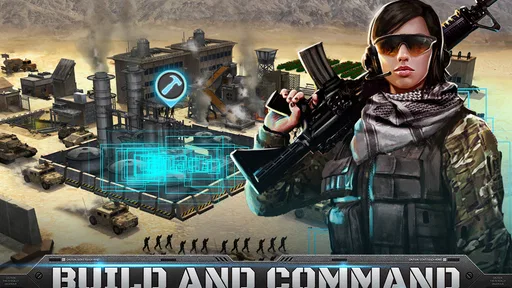
- Base customization offers plenty of strategic choices
- Frequent events provide goals beyond the main campaign
- Runs on most modern Android and iOS devices
Limitations of Mobile Strike
- Heavy focus on in-app purchases can limit free progression
- Timers make upgrades and research increasingly time-consuming
- The interface can feel crowded for new players
- Competitive events may favor experienced, high-spending users
- Requires a stable internet connection to play
Other Releases by Epic War
View All
Game of War - Fire Age
Strategy2.7
Similar Picks in This Category
View All
Clash of Clans
Supercell4.5

Plants vs. Zombies™
ELECTRONIC ARTS3.7

Lords Mobile: Kingdom Wars
IGG.COM4.5

Clash Royale
Supercell4.4

State.io — Conquer the World
CASUAL AZUR GAMES4.1

Car Driving School : Car Games
Spark Game Studios3.9
Frequently Asked Questions
What is Mobile Strike, and how does the gameplay work?
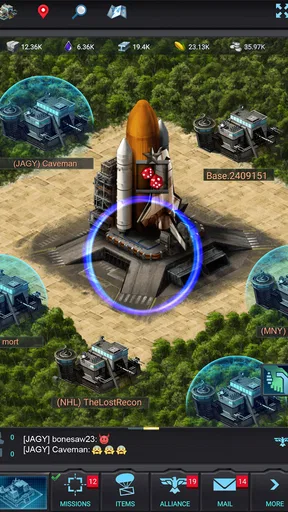
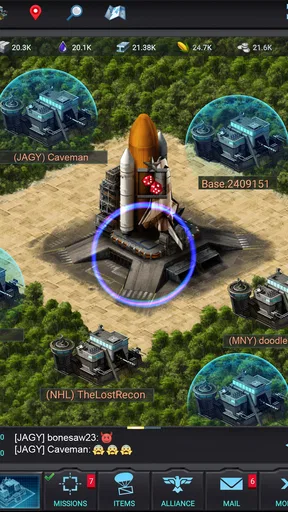
Mobile Strike is a military strategy game focused on building a powerful base, researching technologies, training troops, gathering resources, and competing against other players. You manage construction and upgrades while developing an army and joining large-scale battles. The game combines real-time strategy, alliance cooperation, missions, and competitive events, so progress depends on both long-term planning and regular activity.
Can Mobile Strike be played for free?
Yes, Mobile Strike can be downloaded and played for free on compatible Android and iOS devices. However, it includes optional in-app purchases for resources, speed-ups, packs, and other advantages that can accelerate development. It is possible to make progress without spending money, but free players generally need more patience and consistent participation, especially when competing against highly active or paying players.
Does Mobile Strike require an internet connection?
Mobile Strike is primarily an online game and requires a stable internet connection for most of its important features. Base management, alliance communication, events, player-versus-player battles, and server synchronization depend on connecting to the game servers. It is therefore not a suitable choice for completely offline play, and connection quality can affect loading times and the smoothness of certain activities.
Is Mobile Strike suitable for children?
Parents should review Mobile Strike carefully before allowing children to play. Although the game uses stylized military imagery rather than realistic violence, it includes competitive combat, social interaction, timers, notifications, and optional purchases. The free-to-play design may also encourage spending to speed up progress. Device-level purchase restrictions and supervision are recommended, particularly for younger players using a shared payment account.
What are the main advantages and disadvantages of Mobile Strike?
Mobile Strike offers a large strategic world, extensive base development, alliance teamwork, frequent events, and many upgrade paths for players who enjoy long-term progression. Its main disadvantages are the heavy reliance on timers, recurring notifications, complex systems, and competition between free and paying users. New players may also find the interface overwhelming until they understand resource management, research priorities, and alliance mechanics.
Play our best games!


